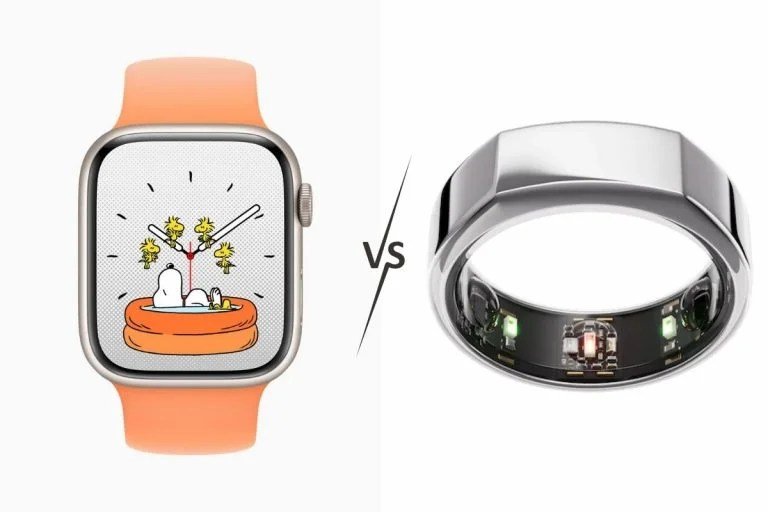
Feeling overwhelmed by the sheer number of health wearables promising to optimize your life? You're not alone. In a market flooded with sleek gadgets and sophisticated algorithms, choosing the right device can feel like a full-time job. Whether you're an elite athlete chasing peak performance, someone seeking better sleep and holistic wellness, or simply want an all-in-one smartwatch that also tracks your health, understanding the nuanced differences between devices like Whoop vs. Competitors: Oura Ring, Apple Watch, and others like Garmin Compared is crucial. This guide is designed to cut through the noise, offering clear, actionable insights to help you pick the wearable that truly aligns with your health goals.
The right wearable isn't just about collecting data; it's about turning that data into meaningful improvements in your life. We'll explore the unique philosophies, features, and target users for Whoop, Oura Ring, and Apple Watch, providing a grounded perspective on what each brings to the table. While contenders like Garmin also offer robust health tracking, our deep dive will focus on these three distinct players to give you the most comprehensive comparison where specific, in-depth data is available.
At a Glance: Picking Your Health Partner
Deciding on a health wearable often comes down to your primary motivation. Here’s a quick roadmap to help you orient yourself:
- For the Dedicated Athlete & Recovery Data Geek: Choose Whoop. It's your personal coach for strain, recovery, and sleep optimization. Just remember, it doesn't count steps.
- For Holistic Wellness, Sleep Mastery & Accurate Cycle Tracking: Choose Oura Ring. It's discreet, comfortable, and provides deep insights into your overall well-being.
- For the All-in-One Smartwatch Enthusiast & Workout Warrior: Choose Apple Watch. It's a powerhouse for notifications, apps, and comprehensive workout tracking, alongside general health monitoring.
- For those seeking the best of both worlds (and budget allows): Consider pairing an Oura Ring for sleep/overall health with an Apple Watch for activity/workouts.
Decoding the Wearable Landscape: Why Your Choice Matters
The era of passive health tracking is over. Today's wearables are more than just step counters; they're sophisticated biometric sensors and personal analytics platforms. But each has a distinct personality, designed with a specific user in mind. Trying to force a device into a role it wasn't built for can lead to frustration and wasted investment.
This isn't about finding the "best" wearable universally; it's about finding the best wearable for you. Your lifestyle, your specific health objectives, your comfort preferences, and even your budget will dictate which device truly becomes an indispensable tool rather than another piece of tech gathering dust.
The Contenders: A Deep Dive into Whoop, Oura Ring, and Apple Watch
Let's break down each device, exploring its core philosophy and what makes it unique.
Whoop: The Athlete's Recovery Coach
Whoop positions itself as the ultimate performance and recovery tool, built from the ground up for athletes, serious fitness enthusiasts, and anyone looking to truly optimize their body's readiness. It’s less about general fitness and more about the science of peak performance.
What Whoop Does Best:
- Hyper-Focused on Strain, Recovery, and Sleep: Whoop excels at quantifying how much stress (strain) you're putting on your body, how well you're recovering from it, and the quality of your sleep. It provides actionable recommendations for training and recovery.
- Strain Score: A unique metric (0-21) that combines both workouts and daily activities, helping you understand your physiological load.
- Recovery Score: Gives you a daily readiness assessment, advising you on whether to push hard or take it easy.
- Sleep Coach: Goes beyond basic sleep tracking to calculate your "sleep debt," determine ideal sleep needs, and even offers a haptic alarm to wake you gently at the optimal point in your sleep cycle.
- Continuous Wear & Charging: Its unique clip-on battery pack allows you to charge the device without ever taking it off, ensuring continuous data collection.
- Team Features: Useful for coaches and groups to track collective progress and recovery.
The Whoop Experience: - Design & Comfort: It’s a small, wrist-worn device with a minimalist look, customizable with various bands. While comfortable, some might find it less ideal for sleeping than a ring due to its wrist placement. It can also be worn with specialized apparel, like compression shorts or bras, for different body placements.
- Ecosystem & Features: No watch face, no notifications, no time display. This is a deliberate choice to keep you focused purely on data and insights, free from digital distractions. It's a subscription-first model.
- Activity Tracking: Here's a key distinction: Whoop does not count steps. Its "Strain" metric is what it cares about, focusing on cardiovascular load rather than simple movement. It provides good metrics for athletes but lacks direct integration with popular fitness apps like Strava or MyFitnessPal, which can be a drawback for some.
- Cycle Tracking: Offers cycle tracking, but it relies more on manual journal inputs than precise temperature data, making it less robust for prediction compared to Oura.
- Battery Life: Approximately 4 days (advertised 5).
- Price: A membership-based service, costing $30/month or $239/year, which includes the basic device.
Whoop's Ideal User:
The dedicated athlete, the cross-fitter, the marathon runner, or anyone whose primary goal is to maximize physical performance and meticulously track their body's response to training. If you live and breathe data-driven optimization and are willing to pay a monthly subscription for personalized coaching, Whoop is a powerful ally. If you're wondering find out if Whoop is worth it for your specific needs, consider its core focus on performance.
Oura Ring: The Holistic Wellness Guardian
The Oura Ring takes a more subtle, holistic approach to health tracking. It blends seamlessly into your life as a piece of jewelry, quietly collecting data to provide a comprehensive picture of your overall well-being. Its focus is on balance, readiness, and long-term health trends, rather than just daily performance peaks.
What Oura Does Best:
- Holistic Wellbeing & Readiness Score: Oura provides a daily "Readiness Score" that combines sleep, activity, and body signals (like heart rate variability and temperature) to give you an overall picture of your preparedness for the day. It promotes balanced living and can even detect potential sickness based on subtle physiological changes.
- Superior Sleep Tracking: Widely considered the gold standard for sleep tracking due to its comfort and accurate sleep staging. Its placement on the finger provides excellent proximity to pulse points for precise data collection, resulting in reliable sleep scores (0-100) and accurate sleep/wake time detection.
- Discreet & Comfortable Design: Looks like a stylish ring, making it extremely comfortable for 24/7 wear, especially for sleep. Many users forget they're even wearing it.
- "Scary Accurate" Cycle Tracking: Utilizes highly accurate overnight temperature readings to predict menstrual phases, period, and even ovulation dates. It has partnered with Natural Cycles for advanced fertility tracking, making it a powerful tool for women's health.
- Subtle & Private: No screen, no notifications, zero screen time required for interaction. All data is privately viewed in the app.
The Oura Experience: - Design & Comfort: Minimalist, sleek, and available in various finishes. Its ring form factor makes it the most unobtrusive option for continuous wear.
- Ecosystem & Features: While core features are free, an optional $5.99/month subscription unlocks deeper insights and advanced features.
- Activity Tracking: Decent for low-impact activities like yoga, pilates, walking, and running (tracking distance, route, and calories). It's good for step counting (though sometimes prone to over-calculation from hand movements). However, it's not ideal or accurate for high-movement or weightlifting activities where wrist-based trackers often perform better.
- Battery Life: Offers an impressive 4-7 days on a single charge (reported 6 days by many users).
- Price: The device itself costs between $299-$549, with the optional $5.99/month subscription for enhanced data.
Oura's Ideal User:
Anyone prioritizing deep sleep insights, holistic health trends, and discreet, comfortable 24/7 wear. It’s perfect for individuals who want balanced living advice, accurate cycle tracking, and an early warning system for potential sickness. If you value privacy, comfort, and comprehensive, gentle guidance over real-time performance metrics or smartwatch functions, Oura is an excellent choice.
Apple Watch: The Smartwatch Powerhouse
The Apple Watch is more than just a health tracker; it's a full-fledged smartwatch deeply integrated into the Apple ecosystem. It offers unparalleled versatility, blending communication, convenience, and robust activity tracking with general health monitoring.
What Apple Watch Does Best:
- All-Around Smartwatch Functionality: This is where the Apple Watch truly shines. It allows you to make calls, send messages, use Apple Pay, control smart home devices, access countless apps, and receive notifications directly from your wrist. It's a mini-computer on your arm.
- Unmatched Workout Tracking: Offers comprehensive, automatic, and manual workout tracking for virtually every activity imaginable. It provides detailed metrics like calories burned, heart rate, pace, and route, and integrates seamlessly with a vast array of third-party fitness apps. Its motivating "Activity Rings" encourage daily movement.
- Robust Health Monitoring: Includes features like ECG (electrocardiogram) for heart rhythm, blood oxygen checks, AFib detection, fall detection, and crash detection on newer models.
- Seamless Apple Ecosystem Integration: If you're an iPhone user, the Apple Watch offers an incredibly smooth and intuitive experience, from pairing to notifications to syncing health data.
- Accurate Step Tracking: Excellent at counting steps and overall daily activity.
The Apple Watch Experience: - Design & Comfort: Sleek, premium, and highly customizable with an endless array of straps and faces. While comfortable for daily wear, its size and weight often make it less preferred for sleeping compared to Oura or Whoop.
- Ecosystem & Features: A complete standalone device (when paired with an iPhone), offering a vast app store, Siri integration, and features like "Find My Phone." No ongoing subscription fee for its core functionalities.
- Sleep Tracking: Tracks sleep stages, total sleep time, heart rate, and breathing. While it provides useful data, its nap detection can sometimes be "a little off." It features a gentle vibrating "Wake Up" alarm.
- Cycle Tracking: Offers basic predictions for period and ovulation dates based on wrist temperature, but it typically requires manual logging of symptoms for greater accuracy. While it can partner with Natural Cycles, it's generally not advised for medical purposes without consultation.
- Battery Life: The primary drawback for some users. Typically 18-36 hours, meaning it requires daily or every-other-day charging, especially if you're tracking sleep.
- Price: High upfront cost ($399-$699) but no recurring subscription fees for its main features.
Apple Watch's Ideal User:
The individual who wants a single device for everything: comprehensive smartwatch functionality, robust workout tracking, general health monitoring, and seamless integration with their iPhone. If you don't mind charging it frequently or wearing a watch to bed, and value versatility and convenience above all else, the Apple Watch is a clear winner.
Side-by-Side: A Direct Comparison of Key Features
To simplify your decision, let's put these three powerhouses head-to-head on the most critical features.
| Feature | Whoop | Oura Ring | Apple Watch |
|---|---|---|---|
| Primary Focus | Strain, Recovery, Sleep (Athletic Performance) | Holistic Wellness, Sleep, Readiness, Health Trends | Smartwatch, Activity, General Health |
| Design & Comfort | Wrist band, customizable. Good for daily wear, less for sleep than Oura. | Ring, discreet, jewelry-like. Extremely comfortable, ideal 24/7. | Wrist watch, sleek, premium. Comfortable for day, less for sleep. |
| Battery Life | ~4 days (clip-on charger) | 4-7 days | 18-36 hours (daily charging common) |
| Screen/Notifications | No screen, no notifications | No screen, no notifications | Full color display, notifications, apps |
| Subscription | Required ($30/month or $239/year) | Optional ($5.99/month for deeper insights) | None (device cost only) |
| Sleep Tracking | Excellent (sleep debt, Sleep Coach, haptic alarm) | Best (accurate stages, comfort, scores, readiness) | Good (stages, total time, HR; nap detection can be off) |
| Activity Tracking | Good for athletes (Strain score); NO steps; limited app integration. | Decent for low-impact (steps, yoga, walk/run); not for high-impact. | Unmatched (vast workout library, auto-tracking, activity rings, app integration). |
| Cycle Tracking | Basic (journal-based) | "Scary accurate" (temperature-based, Natural Cycles partnership) | Basic (wrist temp, manual logging, Natural Cycles partnership) |
| Other Key Features | Continuous wear charging, team features. | Readiness score, sickness detection. | ECG, Blood Oxygen, AFib, Calls, Messages, Payments, Apps. |
| Price | $30/month or $239/year (includes device) | $299-$549 (device) + optional $5.99/month sub | $399-$699 (device) |
| Ideal User | Dedicated athletes, recovery-focused. | Holistic wellness, sleep, discreet tracking. | iPhone users, all-in-one smartwatch, workout tracking. |
Deciding Your Champion: Key Questions to Ask Yourself
With a clearer picture of what each device offers, it’s time to turn inward. Answer these questions honestly to narrow down your options.
1. What's Your Primary Health Goal?
- Are you chasing athletic performance and optimizing recovery? If every workout, every recovery day, and every hour of sleep is about maximizing your physical potential, Whoop is likely your go-to. It's purpose-built for this intensity.
- Do you want a holistic view of your overall health, focusing on balance, sleep, and long-term trends? If discreet comfort, deep sleep insights, readiness scores, and potentially accurate cycle tracking are paramount, the Oura Ring will serve you best.
- Do you need a comprehensive device that covers all bases: robust workout tracking, general health monitoring, and full smartwatch functionality? If you want to handle calls, messages, payments, and apps from your wrist while also tracking your activity, the Apple Watch is the clear choice.
2. How Important is Design, Comfort, and Discreetness?
- Do you prefer a minimalist, almost invisible tracker? The Oura Ring excels here, looking like a piece of jewelry and offering unparalleled comfort for 24/7 wear, especially during sleep.
- Are you okay with a wristband, but prioritize data over distractions? Whoop fits this bill. It's comfortable, but it's clearly a fitness band, not a smartwatch.
- Do you want a traditional watch-like form factor, even if it's larger and more noticeable? The Apple Watch is designed to be a prominent accessory, offering a vibrant screen and customization. Its size might be a factor for sleep comfort.
3. What's Your Budget and Willingness for Subscriptions?
- Are you comfortable with a recurring monthly fee for continuous insights and updates? Whoop and the premium features of Oura Ring operate on a subscription model. Consider this a membership to a health coaching service.
- Do you prefer a higher upfront cost with no ongoing fees? The Apple Watch fits this model, though the initial investment is significantly higher.
4. How Much Data Do You Really Want, and How Do You Want to Consume It?
- Do you thrive on deep dives into physiological metrics, preferring raw data and expert interpretations? Whoop provides rich data around strain and recovery, ideal for data enthusiasts.
- Do you prefer simplified "scores" and actionable insights that guide your daily decisions without overwhelming you? Oura Ring excels at distilling complex data into easy-to-understand readiness and sleep scores.
- Do you want a blend of detailed workout metrics, health summaries, and a quick glance at notifications on your wrist? The Apple Watch offers a dynamic interface with quick access to various data points.
5. Do You Need a Full Smartwatch, or Just Tracking?
- If your primary need is pure health and fitness tracking, without the distractions of a smartwatch, then Whoop or Oura Ring are ideal. They deliberately omit screens and notifications.
- If you desire maximum convenience and integration with your digital life, enabling you to leave your phone in your pocket, the Apple Watch is the only one of the three that delivers this comprehensive smartwatch experience.
Common Questions & Misconceptions
"Can't my phone just do all this?"
While your phone can track steps and offer basic fitness apps, it lacks the sophisticated biometric sensors (like optical heart rate, skin temperature, accelerometers) and 24/7 wearability of dedicated wearables. These devices provide continuous, passive data collection essential for accurate sleep staging, recovery metrics, and real-time physiological insights your phone simply can't capture.
"Is one more 'accurate' than the others?"
Accuracy is nuanced. Oura Ring is often praised for its sleep tracking accuracy due to its finger placement. Whoop excels in consistency for strain and recovery, though its lack of step tracking is a conscious design choice, not an accuracy flaw. The Apple Watch is highly accurate for activity tracking and general heart rate monitoring during workouts. The "best" accuracy depends on the specific metric you care about most.
"What about other competitors like Garmin?"
Garmin offers a vast range of wearables, particularly strong in multi-sport tracking, GPS accuracy, ruggedness, and exceptional battery life, often appealing to outdoor adventurers, serious runners, and triathletes. While we've focused on Whoop, Oura, and Apple Watch for this detailed comparison, Garmin is a formidable alternative if your priorities lean towards specific sport profiles, extensive outdoor navigation, or devices that can go weeks without a charge. Their ecosystem often provides a good balance between smartwatch features and deep sports analytics, without always requiring a separate subscription fee for core data.
The Two-Device Strategy: Getting the Best of Both Worlds
For some, the ultimate solution isn't picking one device, but combining two to leverage their individual strengths. The most common and effective pairing is the Oura Ring for sleep and holistic health and an Apple Watch for activity, workouts, and smartwatch functionality.
Here's why this combination works:
- Oura's Strengths: Provides unparalleled comfort for sleep, delivers highly accurate sleep stages, readiness scores, and detailed recovery insights. It's discreet and perfect for 24/7 passive health monitoring.
- Apple Watch's Strengths: Dominates activity tracking with a vast array of workout options, GPS, real-time metrics, and seamless integration with fitness apps. Plus, you get all the convenience of a full smartwatch (notifications, calls, payments) when you're awake and active.
By wearing the Oura Ring overnight and pairing it with an Apple Watch during your waking hours and workouts, you get comprehensive data across all key areas without compromising on comfort or functionality. This strategy addresses the weaknesses of each device individually, giving you a powerful, synergistic health tracking system – if your budget allows for it.
Making the Smart Choice for Your Health Journey
Choosing the right health wearable is a personal decision that reflects your priorities, lifestyle, and health aspirations. There's no single "best" device; only the best device for you.
- If you're an athlete obsessed with performance metrics and recovery optimization, Whoop is your dedicated coach.
- If you seek discreet, holistic insights into your sleep, readiness, and overall well-being, Oura Ring offers unmatched comfort and data.
- If you desire an all-in-one smartwatch that handles communication, apps, and robust workout tracking, the Apple Watch is your versatile powerhouse.
Take a moment to truly assess what you need most from a wearable. Will it be a silent observer of your wellness, a loud motivator for your workouts, or a seamless extension of your digital life? By understanding your personal goals and matching them with the strengths of these leading devices, you'll not only invest wisely but also empower yourself with the data and insights needed to genuinely elevate your health journey.