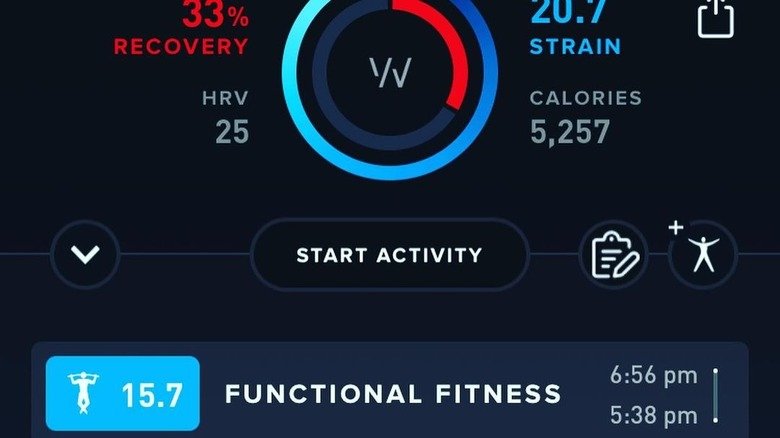
When you invest in a sophisticated tool like Whoop 4.0, you're not just buying a band; you're subscribing to a powerful data ecosystem. But merely wearing it won't unlock its full potential. To truly transform your well-being and athletic output, you need to know how to interpret and act on the wealth of information it provides. This comprehensive guide is dedicated to Maximizing Your Whoop Data: Tips for Better Performance & Health, ensuring every metric translates into tangible improvements.
From understanding your recovery scores to optimizing your sleep and training, Whoop offers an unparalleled view into your body. Yet, the real magic happens when you move beyond passive observation and actively engage with its features. We'll show you how to leverage Whoop's advanced analytics to make smarter choices, recover faster, and perform at your peak, ensuring your $30 monthly investment delivers exceptional returns.
At a Glance: Your Whoop Data Power-Up Essentials
- Journal Everything: Log lifestyle choices (alcohol, diet, stress) to uncover hidden correlations with your biometrics.
- Wear It Differently: Explore Whoop's apparel line for optimal sensor placement during diverse activities.
- Monitor Stress in Real-Time: Use the Stress Monitor to understand your daily mental load and find moments to de-stress.
- Integrate Your Ecosystem: Connect Whoop to Apple Health, Strava, and other apps for a holistic data view.
- Join a Community: Share data and engage with teams for motivation and comparative insights.
- Charge Smartly: Utilize shower time for convenient, waterproof charging to minimize downtime.
- Optimize Your Wake-Up: Leverage the Sleep Coach for gentle, optimally timed alarms that respect your body's recovery.
Beyond the Numbers: Why Maximize Your Whoop Data?
Think of your Whoop 4.0 as a highly specialized personal trainer, sleep coach, and recovery expert all rolled into one, constantly monitoring your physiological responses. It provides detailed stats on body strain, recovery times, heart rate, and sleep quality. But like any expert, it needs your engagement to provide the most personalized, actionable advice.
Simply glancing at your daily recovery score is a start, but it's only scratching the surface. The deeper you delve, the more context you provide, and the more actively you use its integrated features, the more precise and impactful Whoop's recommendations become. It's about turning raw data into an intelligent feedback loop that propels your performance and safeguards your health. For those wondering about the overall value proposition, a good place to start is our Is Whoop worth it guide, which delves into its features and benefits in depth.
Your Whoop Data Power-Up Guide: Actionable Strategies
Let's dive into the practical ways you can supercharge your Whoop experience. Each of these strategies is designed to provide richer data, clearer insights, and more personalized guidance.
1. The Power of Your Personal Journal: Unlocking Deeper Insights
One of Whoop's most underutilized yet powerful features is the Whoop Journal. Introduced in March 2020, this isn't just a place to jot down notes; it's a sophisticated data input system that allows you to log detailed lifestyle and health habits. Why is this so crucial? Because your physical biometrics are heavily influenced by your daily choices, and the Journal helps Whoop connect those dots.
How to Leverage the Journal:
- Log Everything That Matters: The Journal offers over 100 trackable behaviors across categories like Circadian Health, Lifestyle, Nutrition, and Sleep. Think beyond the obvious. Did you have alcohol? How many drinks? What time was your last meal? Did you experience anxiety today? Are you feeling stressed? Did you use a blue light filter?
- Be Granular: The app allows for granular data entry. Instead of just "alcohol," you can input the exact number of drinks. This precision matters for the advanced algorithms that correlate your input with your sleep performance, recovery, and other biometrics.
- Consistency is Key: Whoop provides daily reminders to fill out your Journal. Make it a non-negotiable part of your evening routine. The more consistent you are, the faster Whoop can gather enough data (typically a few weeks) to provide truly precise recommendations.
- Identify Correlations: After collecting sufficient data, Whoop will present you with compelling correlations. You might discover that even a single alcoholic drink significantly impacts your sleep efficiency, or that meditating for 10 minutes prior to bed improves your recovery score by a measurable percentage. These insights are gold for self-experimentation.
- Customize Your Prompts: Access the Journal via the Whoop app:
More > Journal. Here, you can customize which behaviors you want to track, streamlining the process and focusing on what's most relevant to your goals. The Journal is regularly updated with new behaviors, reflecting the latest in health science.
By actively journaling, you're not just tracking; you're conducting a personalized scientific experiment on yourself, revealing the direct impact of your habits on your physiology.
2. Wear Your Whoop, Your Way: Optimizing Sensor Placement
While the wrist is the standard placement for your Whoop band, it's not always the optimal spot for every activity. For accurate heart rate and strain tracking, especially during strenuous or specific movements, the sensor needs to maintain consistent skin contact. Whoop understands this, offering a range of apparel designed to secure the tracker elsewhere on your body.
Why Alternative Placement Matters:
- Activity-Specific Accuracy: During activities like weightlifting, gymnastics, or even certain sports, wrist flexion or impact can momentarily lift the sensor from your skin, leading to inaccurate readings.
- Comfort and Security: Wearing the Whoop on your bicep or torso can be more comfortable and secure for certain workouts, eliminating wrist bulk or potential snagging.
- Variety of Options: Whoop offers an entire line of "Any-Wear™" apparel, including t-shirts, sports bras, leggings, and even swimsuits, all with integrated pouches to securely hold the tracker. This means you can place the sensor on your bicep, calf, waist, or torso, depending on the garment.
Experiment with different placements for different activities. If you notice inconsistent heart rate readings during a particular workout, try moving your Whoop to a bicep sleeve or integrated apparel. This ensures you're always getting the most accurate data, which is foundational for effective strain and recovery calculations.
3. Master Your Stress Response: Real-Time Insights & Mitigation
Stress isn't just a mental state; it's a physiological event that impacts your heart rate, heart rate variability (HRV), and ultimately, your recovery. The Whoop Stress Monitor is a powerful tool found right on your app's Home tab, designed to give you a real-time, objective look at your body's stress levels.
How to Use the Stress Monitor:
- Understand Your Score: The Stress Monitor provides a score between 0-3 based on your heart rate and heart rate variability. A higher score indicates greater physiological stress.
- Track Your Trends: It displays a 12-hour history, allowing you to see fluctuations in your stress levels throughout the day. Did a meeting spike your stress? Did a walk in the park lower it? The visual representation helps you identify patterns.
- Dive into Details: Tap on the Stress Monitor to view calculation details and, crucially, suggestions for lowering stress. These suggestions are personalized based on your current state and Whoop's understanding of stress-reducing behaviors.
- Proactive Management: Use the Stress Monitor not just to observe, but to act. If you see your stress levels rising, take a moment. Engage in deep breathing, step away from your screen, or go for a short walk. Over time, you'll learn what specific activities or moments trigger stress and how best to mitigate them. This proactive approach can significantly impact your overall recovery and well-being.
By actively monitoring and managing your stress, you're not just feeling better; you're allowing your body to dedicate more resources to repair and adapt, rather than constantly being in a state of high alert.
4. Broaden Your Health Horizon: Connecting with Other Apps
Your health data shouldn't live in silos. Whoop understands this, offering robust integration capabilities with other popular health and fitness platforms. Connecting Whoop to services like Apple Health and Strava provides a more comprehensive view of your overall wellness and performance, enriching both your Whoop data and the data in your other apps.
Maximizing Integrations:
- Holistic Health View: By connecting to Apple Health (or similar Android health dashboards), your Whoop data—such as sleep activity, heart rate, and workout details—can contribute to a broader picture of your health metrics alongside data from other devices or manual entries. This allows for deeper cross-platform analysis and trend identification.
- Share Your Efforts: If you're an athlete who uses Strava to track and share your workouts, integrating Whoop allows your detailed heart rate, strain, and even recovery data to be automatically uploaded with your activities. This adds another layer of insight for your training partners and coaches, and helps you see how your recovery impacts subsequent performance.
- Seamless Setup: Managing these integrations is straightforward. Simply go to the Whoop app:
More > Integrations. From there, you can select which services to connect and specify what types of data you want to share. Always review the permissions to ensure you're comfortable with the data flow. - Leverage External Analysis: Some users export their Whoop data to third-party analysis tools or spreadsheets for custom visualizations or deeper statistical modeling. While Whoop's in-app analytics are powerful, connecting services expands your options for data exploration.
These integrations transform Whoop from a standalone tracker into a central hub for your physiological data, enabling richer insights across your entire digital health ecosystem.
5. Find Your Tribe: Leveraging the Whoop Community
Humans are social creatures, and peer accountability can be a powerful motivator. Whoop's Community feature taps into this by allowing you to connect with other users, share your progress, and even engage in friendly competition.
Engaging with the Whoop Community:
- Join or Create Teams: Within the app's
Communitytab, you can easily join existing teams (often based on sports, companies, or shared interests) or create your own with friends, family, or training partners. - Shared Data, Shared Goals: Teams share key data points like strain, recovery, and sleep metrics. This transparency can be incredibly motivating. Seeing a teammate consistently hit high recovery scores might inspire you to prioritize your sleep, for instance.
- Daily Leaderboards: Teams often feature daily leaderboards, allowing members to compare their performance in areas like daily strain or recovery. While not everyone is driven by competition, for many, this adds a fun, engaging layer to their Whoop experience, pushing them to strive for better habits.
- Accountability and Support: Being part of a team provides a built-in support system. You can discuss challenges, share tips for better sleep or recovery, and celebrate successes. This collective journey can enhance your commitment to your health goals.
- Insights from Peers: Observing how others manage their Whoop data and routines can offer new perspectives or strategies you hadn't considered. Perhaps a teammate found a specific routine that boosts their recovery, which you can then adapt for yourself.
Leveraging the community aspect isn't just about sharing; it's about collective learning and sustained motivation, transforming your individual health journey into a shared adventure.
6. Seamless Power-Up: Charging Smartly & Conveniently
One of the challenges with any wearable is remembering to charge it. Whoop 4.0 cleverly addresses this with a design that minimizes downtime and integrates charging into your daily routine. Both the Whoop 4.0 band and its portable battery pack are IP68 rated, meaning they are waterproof and dust-protected.
The Shower Charging Hack:
- Uninterrupted Data: Since your Whoop is always-on to provide continuous data, the thought of taking it off to charge can feel like a setback. The IP68 rating means the tracker can survive up to two hours in water up to 33 feet deep.
- Maximizing Convenience: This waterproof capability allows for one of the most practical charging tips: charge your Whoop in the shower. Simply slide the portable battery pack onto your Whoop band while you're showering. By the time you're done, your Whoop will likely have enough juice to last for several days, without ever needing to come off your body.
- Zero Downtime: This method ensures you're maximizing your data collection. You won't miss any recovery data from sleep or strain data from your morning routine. It's a small change that can make a big difference in the completeness of your data set.
- Regular Top-Offs: Even if you don't fully charge it every time you shower, regular short top-offs using this method can keep your Whoop powered indefinitely, ensuring consistent monitoring.
This simple yet effective strategy helps maintain continuous data flow, which is crucial for Whoop's algorithms to provide the most accurate and personalized insights into your body's trends.
7. Wake Up Refreshed: Harnessing the Sleep Coach
Sleep is foundational to recovery and performance, and Whoop's Sleep Coach is designed to optimize your wake-up time based on your body's needs. Forget jarring alarms; this feature uses a quiet wrist buzz to gently rouse you at the most opportune moment.
Mastering the Sleep Coach:
- Access the Coach: Navigate to the Whoop app:
Coaching > Sleep Coach. Here, you'll find options to customize your wake-up experience. - Optimal Wake-Up Options:
- Exact Time: This is your standard alarm, but delivered with Whoop's gentle buzz.
- When Your Sleep Goal is Met: This is where the intelligence comes in. You set a specific sleep goal (e.g., 8 hours), and Whoop will wake you within a designated window after you've met that goal. This ensures you're not cutting short crucial sleep cycles.
- When Your Body Has Recovered: The most advanced option. Whoop will wake you when your body has reached a specified recovery percentage, again within a flexible wake-up window. This aligns your wake-up directly with your physiological readiness, ensuring you start the day feeling your best.
- Set a Last Wake-Up Time: For the "Sleep Goal Met" and "Body Recovered" options, you can specify a "latest wake-up time." This is a crucial safety net, ensuring you don't oversleep for work or appointments even if your body needs more rest.
- Silence with a Tap: When the alarm goes off, a simple double-tap on the top of your Whoop device will turn it off. It's discreet and convenient, keeping your mornings peaceful.
- Learn Your Patterns: Over time, by using the Sleep Coach, you'll gain a deeper understanding of how much sleep your body truly needs to achieve optimal recovery, and how various factors (from your Journal) impact that need.
By aligning your wake-up time with your body's natural sleep and recovery cycles, you're setting yourself up for a day of enhanced focus, energy, and performance.
Common Questions About Whoop Data & Usage
Even with all these tips, you might have lingering questions about your Whoop journey. Here are some common inquiries and crisp answers to help you along.
How often should I review my Whoop data?
Ideally, you should review your Whoop data daily. The app is designed for a quick glance at your recovery, strain, and sleep scores each morning. Deeper dives into specific trends (like the Journal correlations or Stress Monitor history) can be done a few times a week or when you notice significant changes in your scores. Consistency in review helps you catch patterns early and make timely adjustments.
Can Whoop truly predict my performance?
Whoop doesn't predict performance in the sense of telling you what your race time will be. Instead, it provides a powerful measure of your readiness to perform, primarily through your recovery score. A high recovery score indicates your body is well-rested and prepared for high strain, increasing the likelihood of a strong performance. Conversely, a low recovery score suggests your body needs more rest, and pushing too hard might be counterproductive or increase injury risk. It empowers you to make informed decisions about your training intensity.
Is the Whoop Journal private?
Yes, the Whoop Journal is entirely private to your account. The data you log in your Journal is used by Whoop's algorithms solely to provide you with personalized insights and correlations about your body. It is not shared with your teams or the broader Whoop community unless you explicitly choose to share specific, aggregated data through other integration features.
Your Next Step: Turning Insights into Action
You now have a robust toolkit for maximizing your Whoop data, moving beyond passive tracking to active optimization. But remember, data alone won't change your health or performance. The true power lies in how you interpret that data and, more importantly, the actions you take based on those insights.
Start by implementing one or two of these tips. Begin with the Journal, as it often uncovers the most surprising and impactful correlations. Then, experiment with alternative wearing positions or fine-tune your Sleep Coach settings. Consistently engaging with your Whoop—not just wearing it—will transform it from a smart band into an indispensable partner in your journey toward peak performance and holistic health. Your body is constantly giving you feedback; Whoop simply translates it into a language you can understand and act upon.