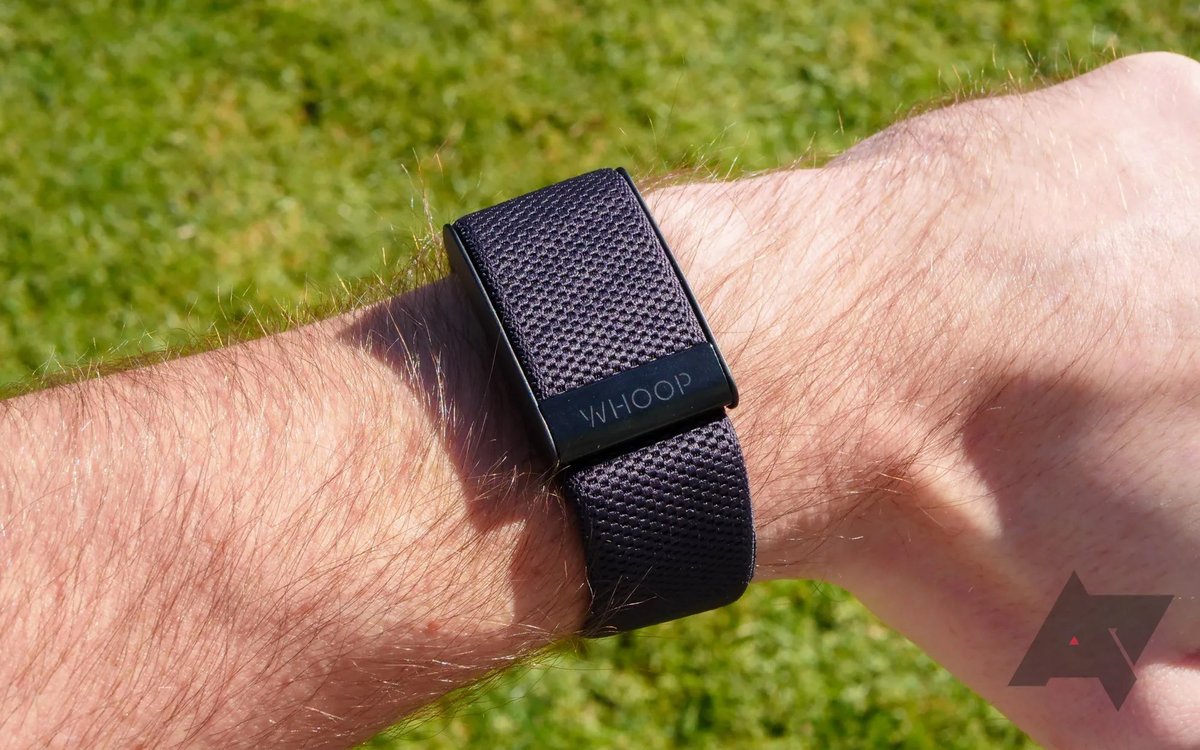
In the relentless pursuit of peak performance and optimal well-being, many athletes and health enthusiasts turn to technology for an edge. Enter Whoop, a screenless wearable that promises a deep dive into your body's most critical metrics: sleep, recovery, and strain. But in a crowded market of fitness trackers, the burning question remains: is Whoop worth it?
This isn't a simple yes or no answer. The true value of Whoop unfolds depending on your goals, your lifestyle, and your commitment to truly understanding the intricate language of your body. We're here to unravel exactly what Whoop offers, who it’s designed for, and whether its unique data-driven approach can genuinely elevate your game.
Decoding Your Body: What Whoop Truly Offers
At its core, Whoop isn't just counting steps or displaying the time; it's an advanced physiological tracker dedicated to providing comprehensive health data and actionable insights. It monitors your body 24/7, gathering information on how well you're recovering from workouts, the quality of your sleep, and the physiological strain you're accumulating throughout your day.
The device creates a baseline for your unique body, allowing you to identify departures from your norms, establish healthier routines, and make informed decisions about training, rest, and lifestyle habits. It's about empowering you with the knowledge to optimize your performance and overall health. To truly grasp the breadth of what this device tracks and analyzes, we invite you to Understand Whoops features. Explore Whoop features.
The Evolution of Insight: Whoop 5.0, Whoop MG, and Membership Tiers
Whoop has continuously refined its technology, with the latest iterations, the Whoop 5.0 and the Whoop MG, representing significant advancements. These new devices are sleeker, 7% smaller and thinner than their predecessors, and boast a 60% faster processor for quicker syncing and a smoother app experience. Importantly, previous Whoop 4.0 bands and battery packs are not compatible with these new models.
What sets Whoop apart further is its tiered membership structure, which dictates the features you unlock:
- Whoop One: This entry-level tier includes the Whoop 5.0 tracker, a basic charger, and a CoreKnit band. It provides foundational Sleep, Strain, and Recovery insights, core activity tracking, VO2 max, and valuable Women’s Hormonal Insights. However, it omits stress monitoring and the advanced Healthspan feature.
- Whoop Peak: Recommended for most users, this tier comes with the Whoop 5.0, a SuperKnit band, and a convenient wireless charger. Building on 'One' features, it introduces the crucial Healthspan metrics (Whoop Age, Pace of Aging), a comprehensive Health Monitor, and a Stress Monitor with a skin temperature sensor. The wireless charger is a game-changer, allowing you to charge while wearing the device, ensuring uninterrupted data collection.
- Whoop Life: For those seeking medical-grade insights, the 'Life' tier provides the Whoop MG device and a SuperKnit Luxe band. It encompasses all 'Peak' features, plus the added benefit of medical-grade ECG readings (built into the clasp) to detect signs of Atrial Fibrillation (AFib) and provide Irregular Heart Rhythm Notifications. It also supports blood pressure insights, though this requires an external cuff for baseline readings.
Understanding the investment involved in these tiers is crucial for assessing worth. Dive deeper into the financial commitment by exploring Whoop Pricing & Subscription: Is the monthly cost justified for your needs.
Unpacking Whoop's Signature Features
Beyond the core Sleep, Strain, and Recovery metrics, Whoop integrates several powerful features designed to give you a holistic view of your health and performance:
- Sleep Tracking & AI Coach: Whoop meticulously tracks sleep duration against your physiological need, consistency, efficiency, and time spent in essential sleep stages. It provides a Sleep Performance score, calculates sleep debt, and offers target bedtime notifications. A built-in sleep diary lets you track habits like caffeine or alcohol intake, and an AI-generated sleep coach offers personalized tips to improve your rest.
- Healthspan (Peak/Life Tiers): This flagship feature goes beyond daily metrics, offering insights into your long-term health trajectory. Your 'Whoop Age' and 'Pace of Aging' are calculated from nine key metrics across sleep, strain, and fitness, including sleep hours, consistency, HR zones, and VO2 max.
- Women���s Hormonal Insights: Available across all tiers, this advanced feature provides personalized insights into your cycle stage and how hormonal fluctuations impact your sleep, strain, recovery, and overall well-being. Pregnancy tracking is also available with 'Peak' and 'Life' memberships.
- Vitals and Stress Monitoring (Peak/Life Tiers): Quickly track your vitals and utilize the Stress Monitor to recognize your body's real-time response to stress, helping you manage it more effectively.
- Enhanced Battery Life: The Whoop 5.0/MG boasts an impressive two weeks of battery life, a significant upgrade from the Whoop 4.0's roughly five days, further supporting 24/7 monitoring.
Who Is Whoop Really For? Identifying Your Ideal Match
So, who stands to gain the most from Whoop? The consensus points overwhelmingly to performance athletes who are serious about optimizing their training and recovery. If you're consistently pushing your body, whether training for a marathon, competing in powerlifting, or engaging in intense daily workouts, Whoop provides the granular data and accountability needed to:
- Prevent Overtraining: Its recovery score tells you when to push hard and when to dial back, reducing injury risk.
- Optimize Sleep: Understanding your sleep patterns and needs directly impacts performance.
- Track Progress Accurately: See how specific training blocks affect your body over time.
- Gain a Competitive Edge: Leverage data to fine-tune every aspect of your regimen.
For a passive health and fitness enthusiast, the annual price tag (around $359/£349) can feel steep, and the depth of data might be overkill. While anyone can benefit from better sleep, the commitment to utilizing Whoop's insights to truly inform lifestyle changes is what justifies the investment. If you're not ready to actively engage with and adapt your habits based on the data, you might not unlock its full potential. To determine if your lifestyle aligns with Whoop's benefits, it’s worth taking a moment to Find your Whoop ideal match.
The Balance Sheet: Exploring Whoop's Real Benefits and Drawbacks
Like any powerful tool, Whoop comes with its own set of advantages and disadvantages. Understanding these can help you make an informed decision:
Pros:
- Deep, Actionable Insights: Unlike many trackers, Whoop focuses on what to do with your data, offering personalized recommendations.
- 24/7 Monitoring: The ability to charge while wearing the device ensures continuous data collection.
- Focus on Recovery: Its emphasis on recovery and sleep is a game-changer for athletes.
- Screenless Design: Reduces distractions and keeps the focus on data analysis through the app.
- Specialized Features: Healthspan, Women's Hormonal Insights, and advanced stress monitoring offer unique value.
- Medical-Grade Options (Whoop MG): ECG and blood pressure capabilities cater to specific health monitoring needs.
Cons: - High Cost: The subscription model, while offering continuous updates, is a significant annual investment.
- Learning Curve: It takes time to understand and effectively use all the data Whoop provides.
- Not a Medical Device Replacement: While it offers insights, it cannot diagnose or replace professional medical advice.
- No GPS: Relies on your phone for precise GPS tracking during workouts.
- No Display: Some users prefer real-time metrics on their wrist during workouts.
- Not for Everyone: Casual users might find the features overwhelming or unnecessary for their needs.
If you’re still weighing these factors, a deeper dive into Explore Whoops real benefits and drawbacks might offer the clarity you need.
How Whoop Stacks Up: A Glimpse at the Competition
In the ecosystem of wearables, Whoop occupies a unique niche. While smartwatches like Apple Watch or Garmin offer extensive features including GPS, notifications, and broader app ecosystems, they often prioritize breadth over Whoop's depth in physiological recovery metrics. The Oura Ring, another popular screenless tracker, offers similar sleep and recovery insights but focuses on finger-based sensing and has a different form factor and feature set.
Whoop's strength lies in its singular focus on continuous physiological monitoring and its robust analytics on recovery, strain, and sleep quality, often preferred by athletes who want minimal distractions but maximum insight. For a comprehensive comparison and to see how Whoop distinguishes itself in the market, check out Whoop vs. Competitors: Oura Ring and other top contenders.
The Final Verdict: Is Whoop Worth It for You?
Ultimately, the worth of Whoop hinges on your personal commitment to health optimization and your specific needs. For dedicated athletes, performance-driven individuals, or those with serious health goals who are willing to invest both financially and in actively engaging with their data, Whoop can be an invaluable tool. Its ability to provide deep, actionable insights into your body's recovery and strain patterns is unparalleled in its class, helping you train smarter, sleep better, and live with greater awareness.
If you're considering Whoop, especially during a dedicated training season, testing the device to maximize its value is highly recommended. For most users, the 'Peak' membership offers the best balance of advanced features and cost-effectiveness, while the 'Life' tier is best reserved for those with specific medical needs that necessitate regular ECG and blood pressure monitoring. Embrace the data, listen to your body, and let Whoop guide you on your journey to peak performance.